Maths isn’t just about numbers.
Recently, I was asked to write an article for the Daily Telegraph.
There seems to be so much noise around what parents should or should not do, without anyone helping them do it, so I decided to go for it. What was there to lose?
So, I wrote to Susie O’Brien, the national education editor, in response to an article, the headline of which was “Experts say parents need to step up and stop maths being treated as the ‘broccoli of school subjects’”. You can read it here, if you wish.
Part of my email to Susie centred around the fact that “Journalist after journalist and article after article write about the dire situation Australia is in with maths. We need to do something differently.
With Jason Clare’s curriculum reform bringing a back-to-basics focus to maths in the first three years of school, there’s never been a more important time for parents to walk the maths journey with their kids.”
I must have hit a nerve, or something, because she asked me to write an article, which I did.
If you subscribe to the Daily Telegraph, you can read it here, otherwise it is below.
“Maths isn’t just about numbers. It’s about confidence, conversation, and connection.
And yes, parents can absolutely be part of that.
After being in the classroom for over 30 years, I saw the slow, silent retreat by parents from helping their child with maths.
Once upon a time, parents were fully invested in their child’s education, but times have changed.
According to the Australian Bureau of Statistics, back in 1979 only 40% of couple families with children under 15 had both parents working.
By 2000, that rose to 56% - Today, it’s 73%.
Add smartphones, social media, and the rise of digital distractions, and it’s no surprise that time for homework help, especially maths, has taken a hit.
When a child is in Kindergarten, parent engagement in their child’s education starts out fabulously.
In those early years, maths feels familiar - counting, shapes, patterns.
Then from Year 1, things shift, significantly so from Year 3.
New language, and new strategies leave many parents feeling lost.
But, here are 4 easy ways parents can support their child’s learning in maths:
1. Use their language:
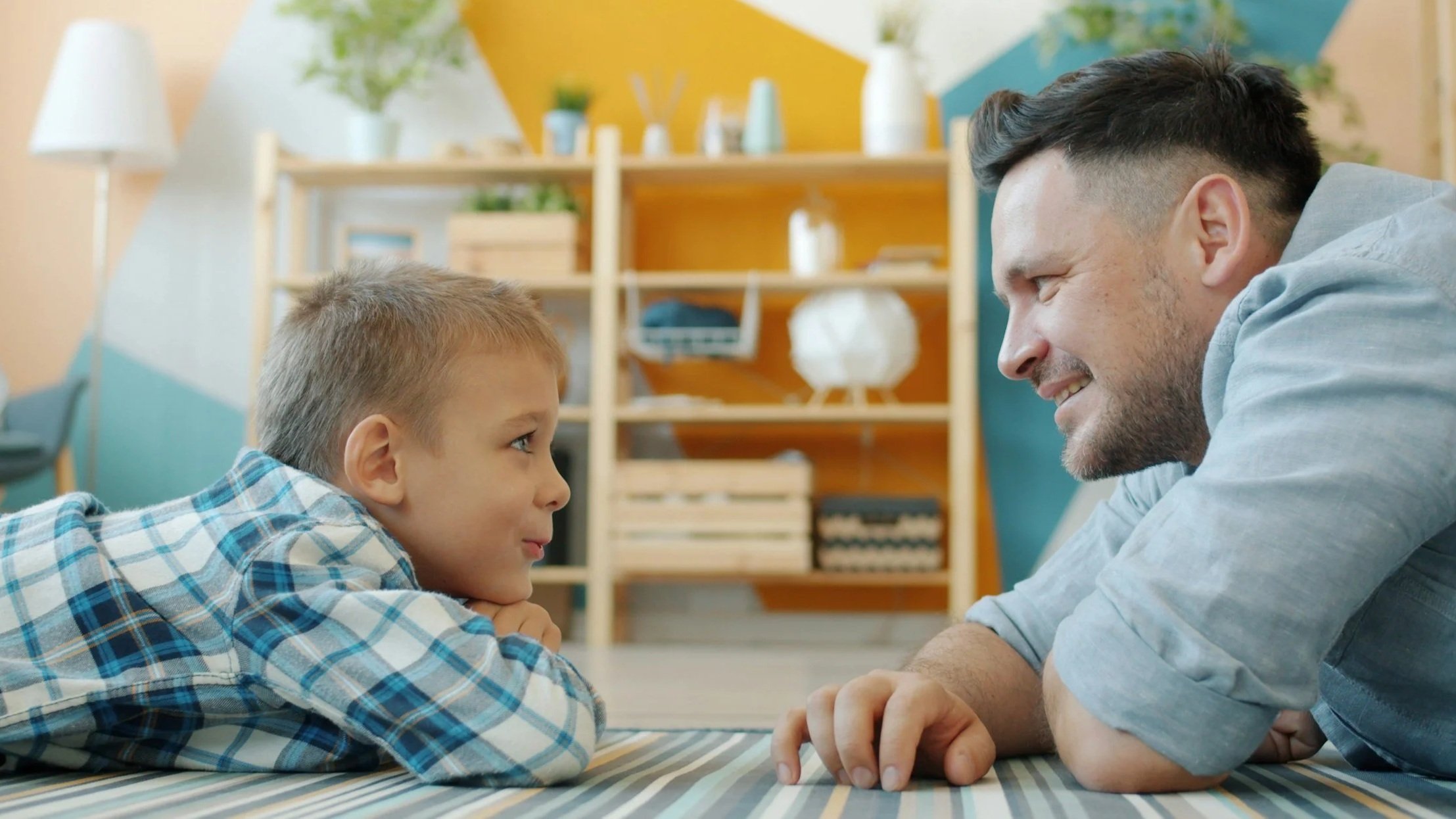
The terminology and the way we talk about maths has changed significantly since you were at school.
Many parents do not know that the language has changed, and this becomes a huge issue at home.
As recent as last week, I spoke with a parent who did not know that we don’t use the phrasing of ‘carry the one’ anymore.
We haven’t used this for ages, but here I was having the conversation.
Using the same words gives your child the continuity and familiarity they need to build confidence.
2. Use their strategies:

It’s the same with the strategies that are taught and used in class.
Rushing our kids to use a strategy or process that we understand, but they do not, is like asking an emerging reader to read War and Peace fluently.
We know it takes lots of meaningful, small steps and repeated practice to become confident and for it to become increasingly easier.
It’s the same with maths.
Whether you agree with the strategies or not, put that to one side and use one of theirs.
Students learn multiple strategies because it helps them see how numbers work.
It builds a ‘toolkit’ of strategies so they will always have the right one for the situation and having a selection gives them flexibility which builds their confidence.
3. Help them talk about their thinking:

Being able to discuss their thinking and justify their choice of strategy is an important part of their learning journey.
They start this in kindergarten, and sure, it looks very different to that of someone in year 6, but it happens.
It is in the discussion of why your child solved something a certain way that will open the door to understanding the way your child thinks, mathematically speaking.
It also gives them, and you, an opportunity to use the associated language and discuss the strategies.
4. Link the maths in their environments to what they’re learning in class.
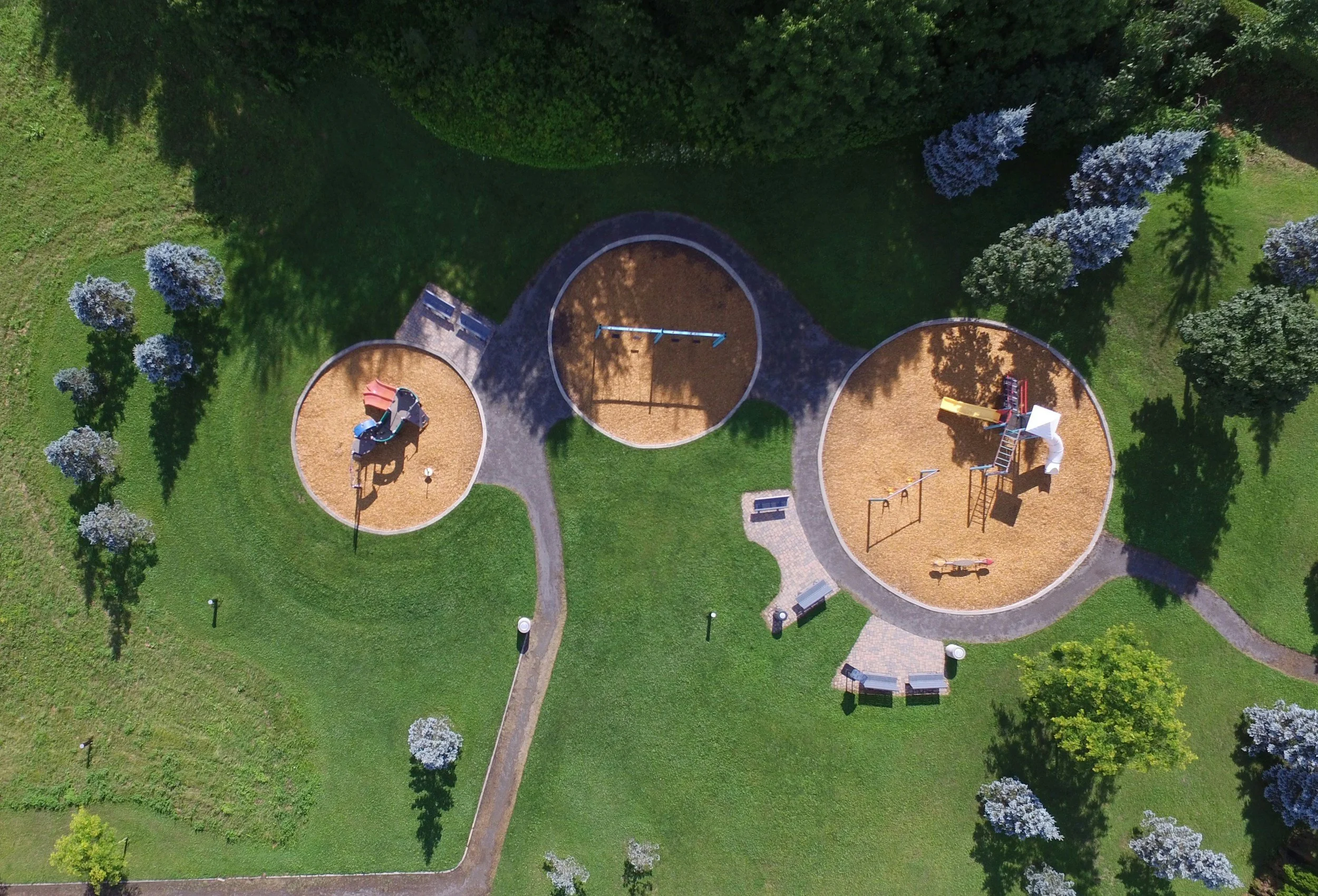
The more we talk about the maths that surrounds us in nature, architecture, art - the more we allow our children to ‘see’ maths.
Knowing how to incorporate what they see with what they’re learning in class helps make maths relevant.
These strategies are simple, but they’re not always easy, especially when time is short and there seems to be so much to ‘learn’.
That’s why resources designed specifically for parents, like MathsBites, which focuses on bite-sized, parent-friendly guidance that aligns with what’s happening in primary classrooms, are important.
It’s about helping parents feel equipped to support maths at home, in the car or at the shops.
When parents feel confident, kids feel supported … and that’s when the magic happens.”
If you’ve been reading my blogs for a while, none of this will be new or ‘news’ to you as I have written about it in other ways before.
Slowly, but surely the message is getting out there that parents need to support their child’s maths journey BUT now there is finally someone ‘out there’ ready to support them while they do it.
Most of you read this through LinkedIn, but my Instagram account is far more helpful if you want to see the types of things I really do, or of course, you could take a good look through the website.
Come and have a look on Insta and perhaps follow along.
It’s never boring!